
Asking Questions Of The Government Is Not Defamation: Delhi Court Rejects Minister’s Complaint Against Saurabh Bharadwaj
“Dark Spell In The Era Of Democracy”: Delhi Court On Treating Questions To Public Representatives As Defamation
A Delhi court has ruled that questioning the government, particularly by a person who speaks for the public, cannot be branded as defamation, stressing that politicians in a democracy must be prepared to face criticism.
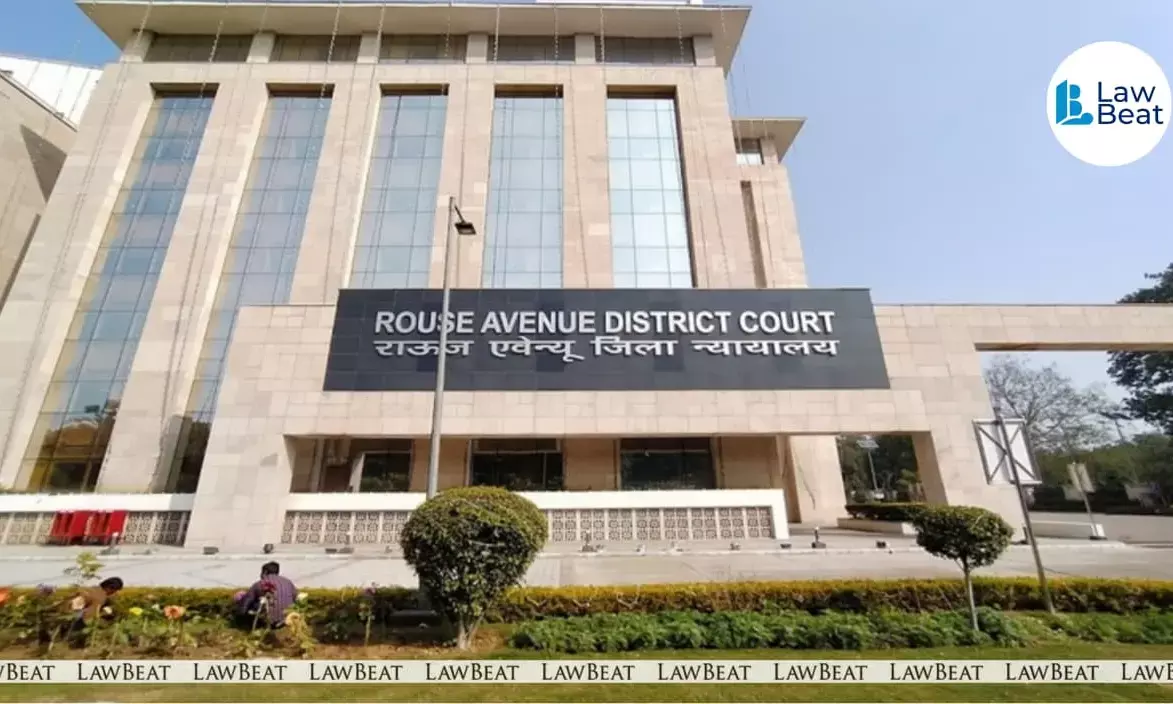
Additional Chief Judicial Magistrate (ACJM) Neha Mittal of the Rouse Avenue Courts made the observation while refusing to take cognisance of a criminal defamation complaint filed by Delhi Minister Parvesh Sahib Singh against Aam Aadmi Party (AAP) leader Saurabh Bharadwaj.
“Merely asking questions from another, especially from a person acting as a representative of the public in the Parliament, regarding any law & order situation or for that purpose, any other matter, cannot amount to defamation,” the court said.
The complaint stemmed from social media posts and videos shared by Bharadwaj in May. In them, he raised questions about the alleged appointment of Amarjit Singh Baboo as a trustee of the SS Mota Singh School trust, a reportedly missing trust file, and the manner in which the government handled a POCSO case involving a three-year-old girl.
Going through the posts as a whole, the court found that they amounted to criticism of how the government was functioning, and not defamatory imputations against the Minister. According to the court, a reasonable person reading them would understand that they questioned the government’s alleged lackadaisical attitude.
The magistrate cautioned that treating the act of questioning public representatives as defamation would amount to “a dark spell in the era of democracy.” The court added that the press and the public have every right to question the government, and that elected representatives must be willing to listen to differing opinions.
Significantly, the court also underscored that the threshold for criminal defamation must be higher in public discourse involving political personalities and parties.
Turning to Bharadwaj’s role, the court noted that as an official spokesperson of the opposition AAP, he carried a public duty to question those in power, point out shortcomings, criticise government actions and scrutinise policies. Such scrutiny, it said, works as a watchdog against the misuse of power and authoritarian tendencies.
The court further pointed out that the posts relied on information that was already in the public domain, and held that there were insufficient grounds to proceed with the defamation complaint.
The Minister’s own conduct also came under the court’s lens. The magistrate observed that he had approached the court with “unclean hands”, pointing to social media posts suggesting that he had known Baboo since his college days. This, the court found, sat uneasily with his claim that he had no association with Baboo in any manner.
Driving the point home, the court said: “A litigant who attempts to pollute the stream of justice or who touches the pure foundation of justice with tainted hands is not entitled to any relief. No litigant should be permitted to misuse the judicial process by filing frivolous petition.”