
From Nizamuddin Markaz To Criminal Case: Allahabad HC Quashes Proceedings Against Two Men Who Tested Negative
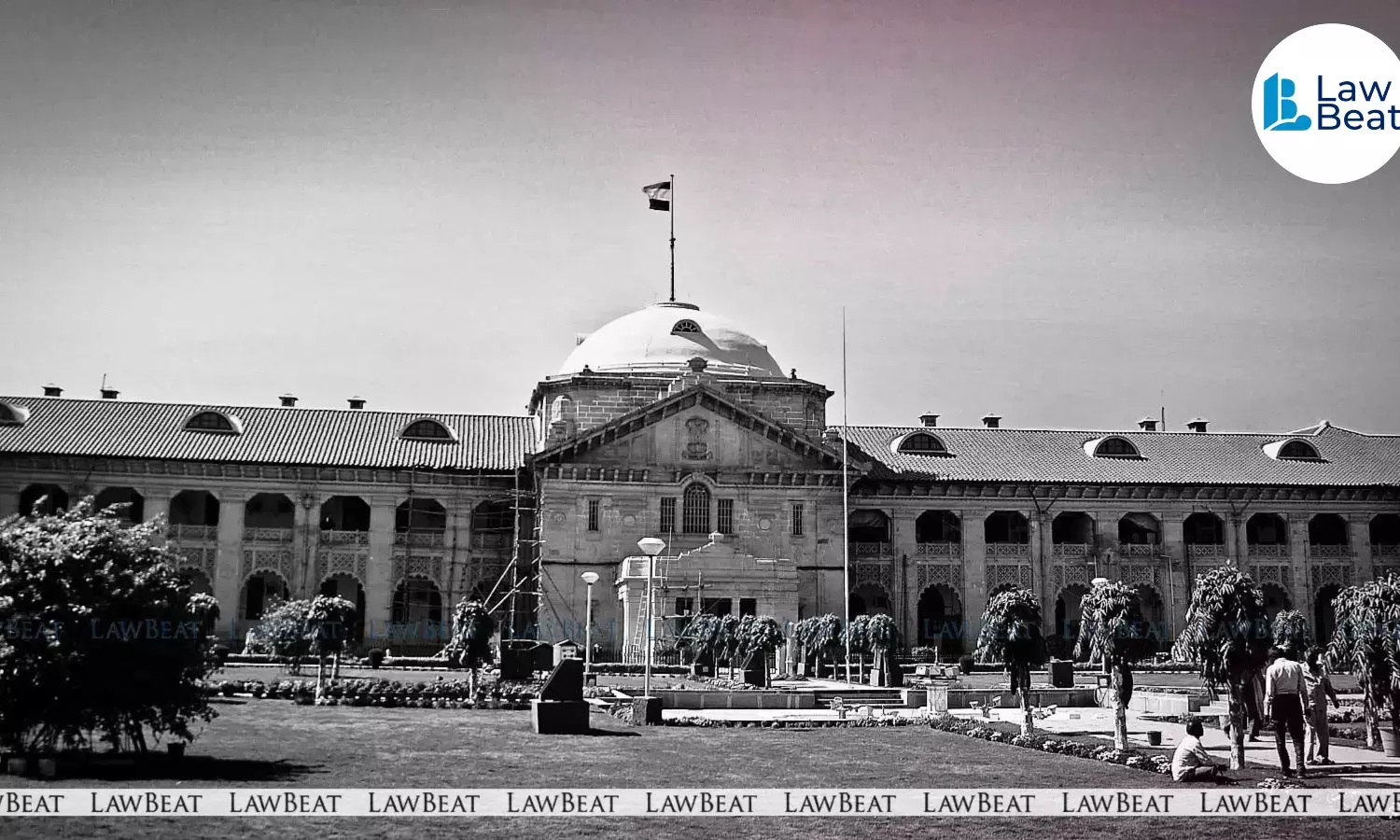
Allahabad High Court quashes Covid case based on infection apprehension.
The Allahabad High Court has quashed criminal proceedings against two men booked during the Covid-19 pandemic after they allegedly returned to Uttar Pradesh from a religious gathering at Delhi's Hazrat Nizamuddin Markaz, holding that the case was based only on an apprehension that they could have been infected with coronavirus and could infect others.
The bench of Justice Dr Gautam Chowdhary, in an order passed on September 18, quashed the entire proceedings pending before the Additional Chief Judicial Magistrate, Court No. 2, Jaunpur, arising from an FIR registered in April 2020. Court observed that the applicants' coronavirus tests had subsequently turned negative and held that continuing the prosecution would amount to an abuse of the process of the court and law.
What was the allegation against the two men?
The FIR was registered at Shahganj police station in Jaunpur on April 2, 2020 under Sections 188, 269 and 307 of the IPC (Sections 223, 271 and 109 of the BNS, respectively), Section 51(b) of the Disaster Management Act, 2005 and Section 3 of the Epidemic Diseases Act, 1897.
According to the FIR, the police received information that the two applicants had travelled to Hazrat Nizamuddin Markaz in Delhi to attend a religious gathering. It was alleged that after returning, they were staying at their homes with their family members “secretly”.
The police alleged that there was an apprehension that the two could have been infected with coronavirus and that other people could consequently be infected. When questioned, the applicants allegedly admitted that they had travelled to Delhi for the gathering. They were medically examined and sent to a quarantine centre, following which the FIR was registered.
The investigating agency subsequently recorded the statements of the police personnel and the doctor who had examined the applicants before filing a charge sheet on May 8, 2020. The trial court took cognizance and summoned the applicants on December 15, 2020.
Why did the high court quash the proceedings?
The applicants told the high court that the case was based on false and frivolous allegations. They pointed out that although they had been medically examined and quarantined, their coronavirus tests had turned negative.
The State did not dispute these factual assertions.
The high court, after examining the material on record, said the FIR had been lodged on the apprehension that the applicants “may be infected with corona virus” and that their actions could lead to infection of others, whereas their tests had turned negative.
Court then made a strong observation about the basis of the prosecution, saying it was “crystal clear” that the applicants had been falsely implicated through “false and frivolous allegations” and on the basis of “presumption and assumption”. It further held that the proceedings were attended by “ulterior motive and malafide intently”.
“If the present proceedings are allowed to go on, it will result in the abuse of process of court as well as process of law,” court said, adding that “no prosecution could lie against the applicants in such circumstances”.
Supreme Court guidelines
Court relied on the Supreme Court's judgment in State of Haryana v. Ch. Bhajan Lal, which sets out categories of cases where constitutional or inherent powers can be used to quash criminal proceedings.
These include cases where the allegations, even if accepted in full, do not constitute an offence; where the allegations and material collected do not disclose the commission of an offence; and where criminal proceedings are manifestly attended with mala fide or instituted with an ulterior motive.
The high court also referred to Prashant Bharti v. State (NCT of Delhi), which lays down the parameters for examining material relied upon by an accused while seeking quashing of criminal proceedings.
Holding that the present case was “squarely covered” by the Supreme Court precedents, the high court allowed the application under Section 528 of the BNSS and quashed the proceedings against the two applicants.
Case Title: Faizan And Another v. State of U.P. and Another
Order Date: September 18, 2026
Bench: Justice Dr Gautam Chowdhary