
IBC Moratorium Cannot Be Used to Stall SARFAESI Recovery After Auction: Bombay HC
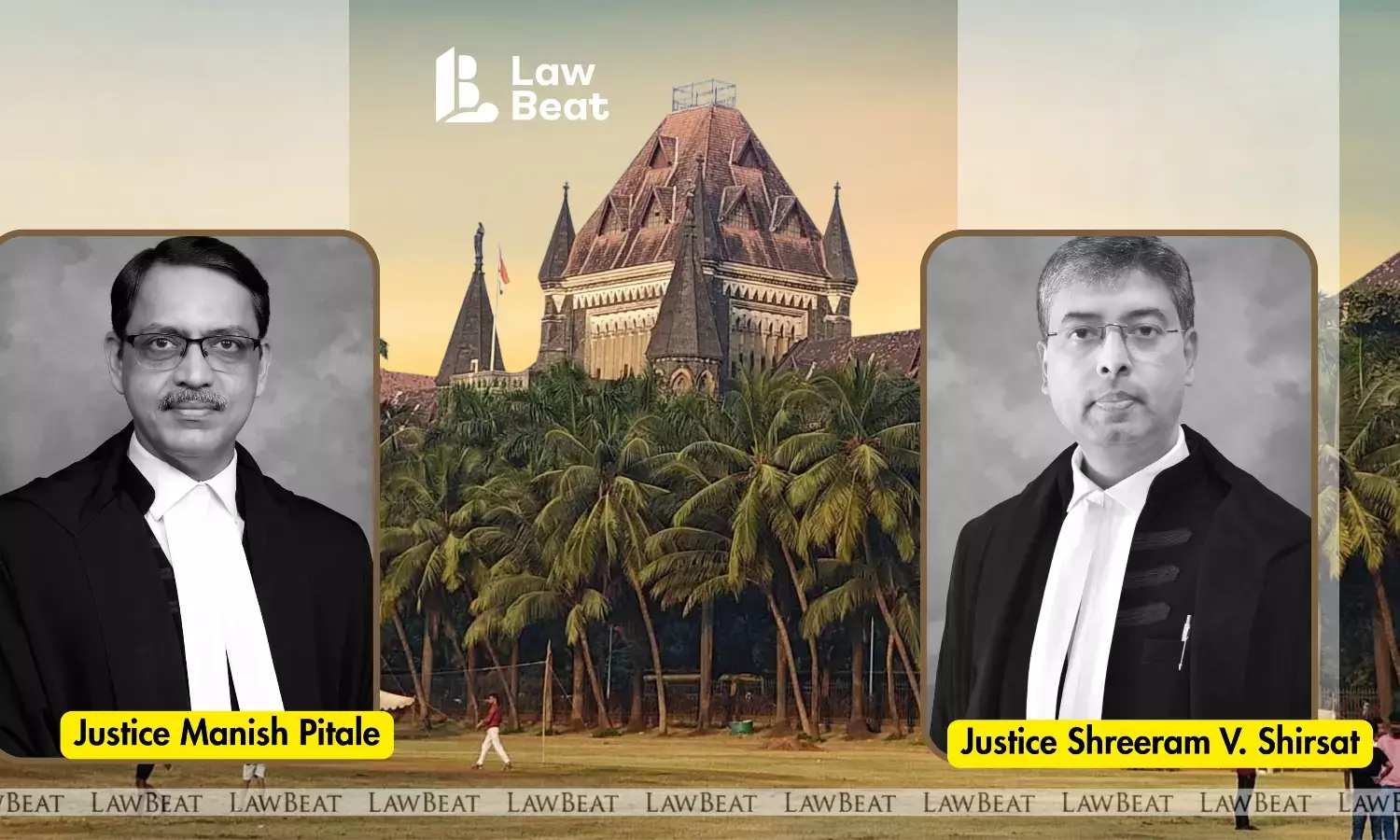
Bombay HC Warns Against Tactical Insolvency Filings to Delay Recovery
The Bombay High Court has held that borrowers and guarantors cannot misuse the moratorium provisions under the Insolvency and Bankruptcy Code, 2016 to stall or frustrate recovery proceedings lawfully undertaken by secured creditors under the SARFAESI Act, particularly after the auction process has concluded and third-party rights have crystallised.
The Court observed that such tactics, including repeated and collusive initiation of insolvency proceedings under Sections 94 and 95 of the IBC to trigger an interim moratorium under Section 96, defeat the very object of the IBC and cannot be permitted to paralyse enforcement actions.
A Division Bench of Justices Manish Pitale and Shreeram V. Shirsat set aside the Debts Recovery Tribunal’s order dated 26.11.2025, which had effectively halted further steps in handing over possession of the secured asset to auction purchasers.
The High Court held that the secured creditor was not required to await disposal of the pending interim application before the DRT and permitted continuation of steps under the SARFAESI Act, including taking physical possession of the property pursuant to the sale certificate already issued.
The Court’s ruling came in the backdrop of a prolonged recovery process initiated by Union Bank of India against defaulting borrowers, where the loan account had turned non-performing and measures under Section 13(2) and 13(4) of the SARFAESI Act were invoked as early as 2017.
Despite being served with notice, the borrowers failed to challenge the proceedings and instead engaged in a series of one-time settlement proposals over several years, none of which were honoured.
The secured asset was eventually put to auction multiple times, with the tenth auction in December, 2024 culminating in a successful bid and issuance of a sale certificate in favour of the auction purchasers. It was only at this advanced stage after more than seven years of inaction that the borrowers approached the DRT challenging the SARFAESI proceedings.
Significantly, the Court noted that immediately after the auction sale, the personal guarantor initiated proceedings under Section 94 of the IBC before the National Company Law Tribunal (NCLT), Mumbai, claiming that an interim moratorium had come into effect under Section 96.
This led to a standstill in proceedings before the DRT.
However, upon intervention by the secured creditor and auction purchasers, the NCLT held that the secured asset stood excluded from the moratorium, as the sale had been concluded prior to initiation of insolvency proceedings and the rights of the auction purchasers had crystallised.
This finding was upheld by the NCLAT and subsequently affirmed by the Supreme Court. Despite this, the borrowers initiated another round of proceedings by causing a creditor to file an application under Section 95 of the IBC before the NCLT, Guwahati, again seeking to invoke moratorium protection.
Relying on this development, the borrowers approached the DRT and succeeded in obtaining an order that effectively stalled the enforcement process.
The High Court found this conduct to be a clear abuse of the statutory framework.
It observed that the IBC is designed to ensure time-bound insolvency resolution, maximise asset value, and balance stakeholder interests, and not to be deployed as a shield by chronic defaulters to indefinitely delay legitimate recovery proceedings.
The Court emphasised that such misuse undermines both the IBC and the SARFAESI regime, adversely impacting financial discipline and the credit ecosystem.
On facts, the Court also found that the borrowers had, by their conduct including repeated OTS proposals and failure to challenge statutory notices, waived their right to object to the SARFAESI proceedings.
Applying principles of waiver and estoppel as recognised by the Supreme Court, the Court held that the borrowers could not be permitted to derail the process after allowing it to reach culmination and after third-party rights had intervened.
The Court further expressed serious reservations regarding the purported insolvency proceedings initiated before the NCLT, Guwahati, noting discrepancies in the documentation and observing that the proceedings appeared collusive and engineered to frustrate the enforcement process.
Holding that the DRT had failed to appreciate the legal and factual position, and that its order resulted in a miscarriage of justice, the High Court exercised its writ jurisdiction to set aside the impugned order.
It directed that possession proceedings be carried forward in accordance with law and further instructed the DRT to expeditiously decide the securitisation application on merits within a fixed timeline.
Case Title: Rozina Firoz Hajiani & Ors. v. Union of India & Ors.
Bench: Justices Manish Pitale and Shreeram V. Shirsat
Date of Judgment: 18.03.2026