
Political Activities Have No Place in Educational Institutions: Kerala HC Reiterates
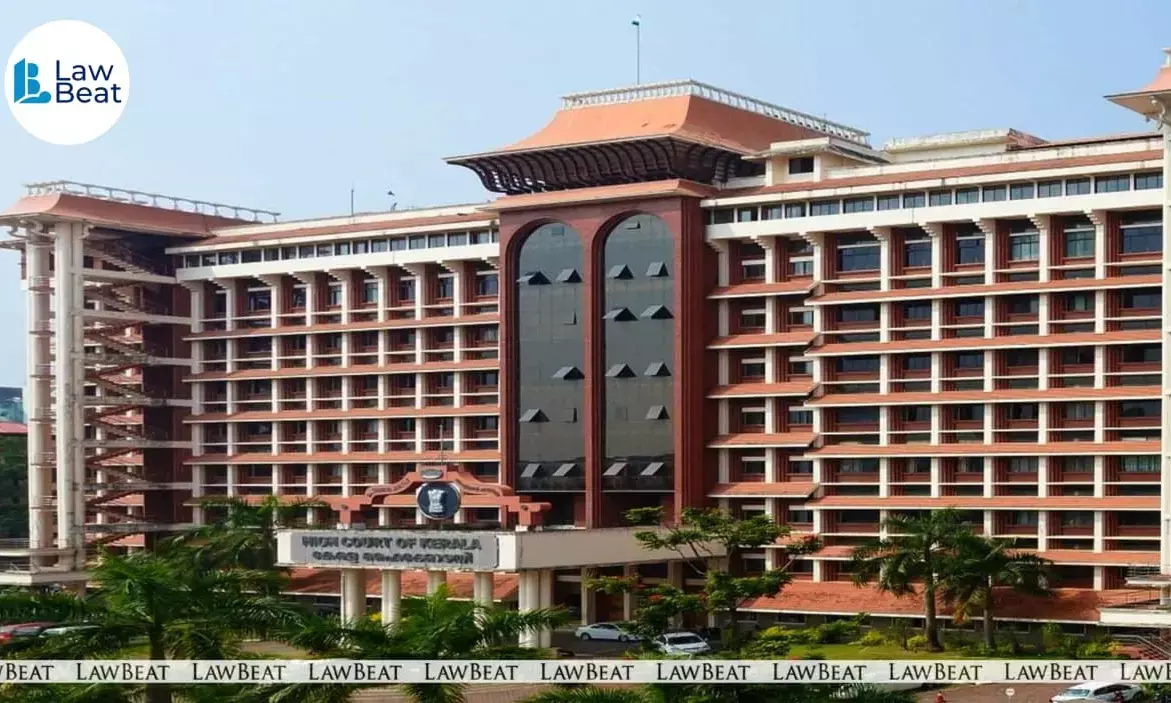
Kerala High Court sets aside relief to suspended students.
The Kerala High Court has reiterated that political activities such as dharnas, hunger strikes and satyagraha have no place in a constitutional democracy, particularly in educational institutions, observing that students indulging in such activities on campus can face expulsion or rustication.
A division bench of Justices Anil K. Narendran and Muralee Krishna S. made the observations while setting aside an interim order permitting 16 suspended students of Sree Sankaracharya University of Sanskrit, Kalady, to appear for the university examinations scheduled to commence on November 4.
The bench relied on an earlier division bench ruling in Dr. Antony Thomas v. V.M. Muhammed Rafique (2017), which had held that educational institutions are meant for imparting education and not politics. It reiterated the observation that political parties cannot, through their political ambitions, hold educational institutions to ransom or undermine the right of other students to receive education.
The judgment also referred to Dr BR Ambedkar's speech in the Constituent Assembly on November 25, 1949, in which he had advocated constitutional methods for achieving social and economic objectives. Quoting Ambedkar, court recalled his warning against civil disobedience, non-cooperation and satyagraha when constitutional avenues are available, describing such methods as the "Grammar of Anarchy".
The observations came in an appeal filed by the University, its Syndicate and Vice-Chancellor challenging a Single Judge's October 30 interim order directing the institution to accept examination fees from the suspended students and permit them to write the examinations, subject to the final outcome of their pending writ petition.
The 16 students had approached the high court challenging their suspension through an order dated September 1, issued pending an enquiry into incidents that allegedly took place on the university campus on August 13. Two FIRs were registered at the Kalady Police Station in connection with the incidents.
The students contended that their prolonged suspension, without completion of the disciplinary proceedings, was illegal and prevented them from attending classes, causing serious academic loss. They also argued that any shortage in attendance should not defeat their right to appear for the examinations when the university itself had prevented them from attending classes.
The University, however, argued that the students did not satisfy the prescribed eligibility requirements, including minimum attendance and successful completion of internal examinations. It further pointed out that they had not submitted examination applications or applications seeking condonation of attendance shortage in the manner prescribed under the relevant regulations.
Accepting the University's contentions, the division bench noted that the writ petition filed by the students contained no pleadings establishing their eligibility to appear for the examinations, including compliance with minimum attendance requirements and internal assessment criteria.
Court also noted that none of the students had submitted the requisite applications seeking condonation of attendance shortage, supported by the prescribed documents and recommendations from the respective Heads of Departments or Directors of Centres.
Relying on the Supreme Court's decision in Bharat Singh v. State of Haryana (1988), the bench reiterated that parties approaching constitutional courts must plead and substantiate facts necessary to establish their legal entitlement.
It further referred to an earlier division bench ruling in Principal, IES College of Engineering v. Anas P.M. (2023), which held that attendance shortage resulting from a suspension is a consequence students would necessarily have to suffer. The court had reasoned that allowing suspended students to write examinations despite not attending classes would effectively reward the conduct for which they were suspended.
The bench also held that the Single Judge had effectively granted the principal relief sought in the writ petition at the interim stage, without establishing a very strong prima facie case. It reiterated that courts cannot direct universities or other authorities to act contrary to the regulations governing them.
Court clarified that it was not examining the rival allegations concerning the August 13 incidents as the police investigation was still underway.
Accordingly, it allowed the University's appeal and set aside the October 30 interim order. It clarified that its observations touching upon the merits of the pending writ petition were made only for deciding the appeal.
Meanwhile, the suspended students have approached the Supreme Court challenging the division bench judgment and seeking restoration of the interim permission to appear for the examinations. They have also sought permission to write the remaining papers provisionally and for special examinations for papers they may miss pending the Supreme Court's decision.
Case Title: Sree Sankaracharya University of Sanskrit & Ors. v. Archana P.S. & Ors.
Order Date: November 3, 2026
Bench: Justices Anil K. Narendran and Muralee Krishna S.