
Rent Payable Despite COVID Non-Use of Premises: Karnataka HC
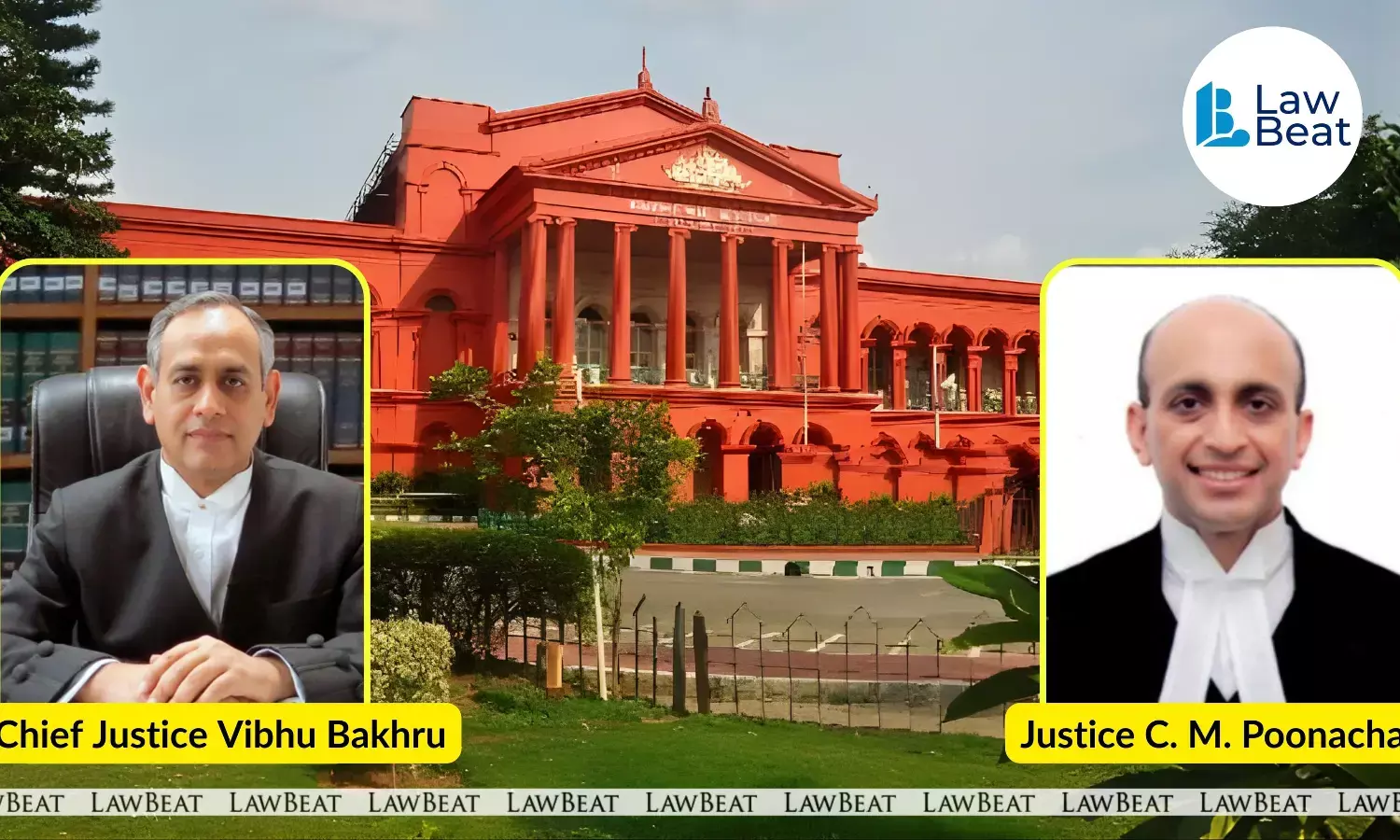
Karnataka High Court holds that commercial tenant must pay rent until possession is handed over, despite non-use during COVID lockdown.
The Karnataka High Court has held that a commercial tenant cannot avoid payment of rent merely because it chose not to use the leased premises during the COVID-19 lockdown, and that in the absence of a valid termination in terms of the contract, liability to pay rent continues until vacant possession is handed over.
While partly allowing a commercial appeal, the Court recalculated arrears of rent payable and modified the decree passed by the Commercial Court, holding the lessee liable to pay Rs. 66.11 lakh (after adjustment of security deposit) along with interest and electricity charges.
A Division Bench comprising Chief Justice Vibhu Bakhru and C. M. Poonacha, by judgment dated 10.02.2026, partly allowed Commercial Appeal No. 226 of 2025 and modified the judgment and decree dated 17.02.2025.
The High Court upheld the finding that the lease stood terminated only upon the tenant handing over possession on 15.11.2021, and held that rent remained payable till that date.
The dispute arose out of a leave and licence agreement dated 21.10.2019 executed between Sure Waves Media Tech Pvt. Ltd., the lessee, and the lessors in respect of commercial premises situated at Ashok Chambers, Koramangala, Bengaluru.
The lease was for a term of 36 months commencing from 01.09.2019 to 31.08.2022, with escalating rent slabs.
It was undisputed that rent was paid till February, 2020.
Following the outbreak of COVID-19 and the nationwide lockdown from 24.03.2020, the lessee shifted to a “work from home” model and stopped paying rent from March, 2020 onwards.
By email dated 17.06.2020, it sought complete waiver of rent for April and May, 2020 and a 50% reduction thereafter, citing financial hardship.
The lessors agreed to a 30% reduction for April and May, 2020 but insisted on payment of rent as per the agreement for the remaining period. No payment was made.
The lessee later alleged that electricity to the premises had been disconnected by the lessors, rendering the premises unusable and amounting to breach of contract. It claimed that it had terminated the lease on 24.02.2021 and sought refund of security deposit and damages for loss of data and business.
The lessors denied disconnection and asserted that electricity had been disconnected by BESCOM due to non-payment of bills by the lessee. They also raised a counter-claim for arrears of rent and other charges.
The Commercial Court rejected the tenant’s claims and partly allowed the counter-claim, holding that the lease stood terminated on 15.11.2021, when possession was handed back. The lessee appealed.
Before the High Court, the principal questions were whether the lessee was liable to pay rent despite non-use of premises during the pandemic, whether disconnection of electricity absolved it of liability, and whether the lease had been validly terminated earlier.
The Division Bench held that mere non-use of premises does not suspend the obligation to pay rent. The lease continued to subsist, and the lessee neither issued a three-month termination notice as required under Clause 17 of the agreement nor handed over possession earlier.
The Court observed that even assuming a force majeure situation, the lessee was required to invoke contractual termination clauses in accordance with the agreement, which it failed to do.
On the allegation of electricity disconnection, the Court examined Clause 12 of the lease agreement, which required the lessee to pay electricity bills directly to the authority concerned. The material on record, including electricity bills (Ex.D6 series), showed non-payment of dues. The lessee failed to produce evidence of having cleared the bills.
The Court further held that the lessee could not complain of disconnection if it had defaulted in payment. It also noted that evidence did not conclusively establish that access to the premises had been denied.
The High Court rejected the contention that the lease was terminated on 24.02.2021, holding that no valid notice in terms of the agreement was issued and that termination could only be construed as effective upon handing over of possession on 15.11.2021.
However, the Court modified the computation of arrears. It held that the lessors were bound by their concession of 30% rent reduction for April and May 2020, as communicated by email dated 22.06.2020. After recalculating rent from March 2020 to November 15, 2021, the Court determined total rent payable at Rs. 96,11,174. After deducting the security deposit of Rs. 30,00,000, the net arrears were fixed at Rs. 66,11,174.
The Court also upheld electricity and maintenance charges of Rs. 6,15,001.
Interest at 12% per annum from the date of suit till realisation was maintained, noting that the lessors had not challenged the reduced rate granted by the Commercial Court.
Accordingly, the appeal was partly allowed and the decree modified to the extent of recomputation of arrears.
Case Title: Sure Waves Media Tech Pvt. Ltd. v. Mr. Fathiraj (deceased) represented by LRs & Anr.
Bench: Chief Justice Vibhu Bakhru and Justice C.M. Poonacha
Date of Judgment: 10.02.2026