
Eviction Case Pending For Decades? SC Says Prolonged Litigation Cannot Defeat Bona Fide Need Of Landlord
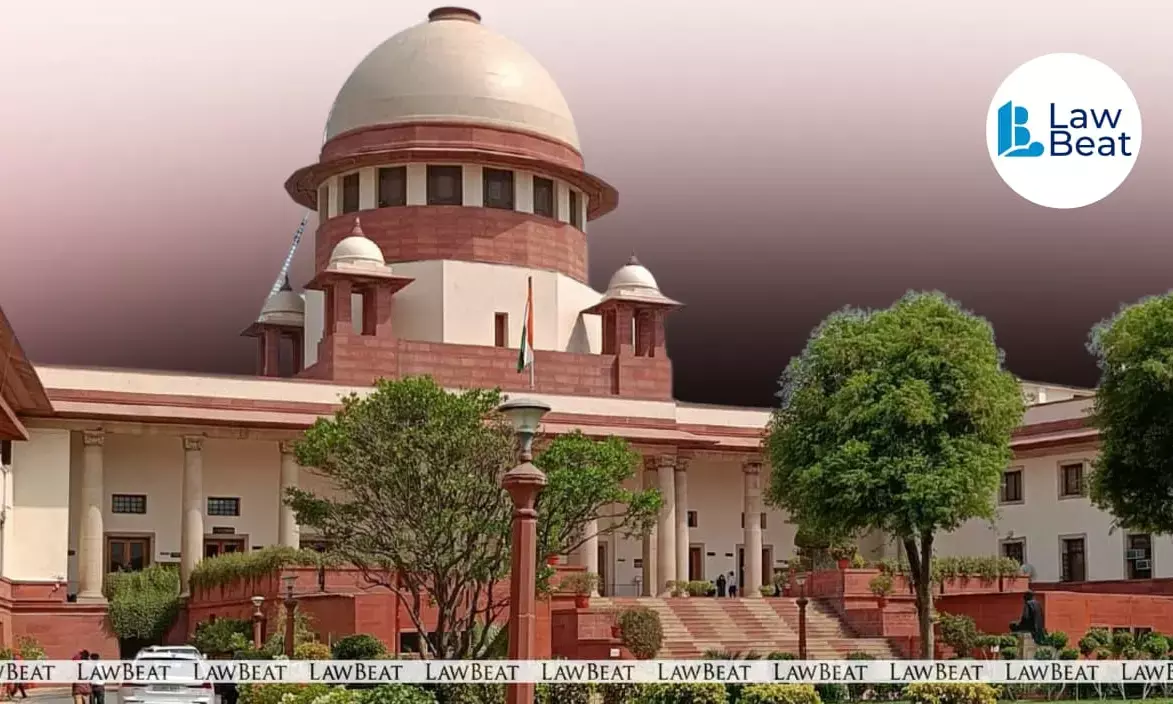
Supreme Court restores eviction order after decades-long litigation.
The Supreme Court has held that a landlord’s bona fide requirement of a property cannot be defeated merely because eviction proceedings have remained pending for several decades. It observed that when litigation continues for several years, initial technical objections to eviction should not be allowed to stand in the way of the landlord getting possession of the property.
A Bench of Justices Satish Chandra Sharma and N Kotiswar Singh made the observation while allowing an appeal against a March 7, 2025 order of the Allahabad High Court, which had set aside concurrent findings of the prescribed authority and appellate authority directing eviction of the tenant.
Referring to its earlier decision in Ravi Khandelwal v. Taluka Stores (2023), the Bench reiterated that where litigation continues for several decades, the passage of time may wash away initial technical impediments, and the landlord’s legitimate need cannot be defeated merely because the proceedings have remained pending for years.
"In cases involving prolonged litigation, the passage of time can wash away initial technical impediments that may otherwise stand in the way of granting the landlord relief," Court said.
The appeal was filed by Devendra Nath Mishra, who had acquired ownership of the subject property on July 10, 1984. Following the purchase, a statutory notice was issued under Section 21(1)(a) of the Uttar Pradesh Urban Buildings (Regulation of Letting, Rent and Eviction) Act, 1972, requiring the tenant to vacate the premises upon expiry of three years.
Despite the statutory notice and assurances given before the prescribed authority as far back as 1988, the respondent-tenant did not vacate the premises.
The appellant claimed that he bona fide required the premises to establish a medical clinic for his son, who is a neurosurgeon. Proceedings were subsequently initiated seeking eviction of the tenant.
Upon considering the pleadings and evidence, the prescribed authority recorded a finding in favour of the appellant on the question of bona fide requirement and ordered eviction on December 12, 2012. The appeal filed by the tenant was dismissed by the appellate authority, thereby affirming the eviction order.
The tenant, Ravi Bajpai, thereafter invoked the supervisory jurisdiction of the Allahabad High Court under Article 227 of the Constitution. The high court allowed the petition and set aside the eviction order.
The Supreme Court noted that Mishra had acquired the premises in 1984 and initiated proceedings in 1986, but the tenant had continued to enjoy the property for nearly four decades.
It further noted that the appellant’s son, who wanted to establish his clinic as a neurosurgeon, had been unable to do so because the premises had not been vacated.
Referring to its decision in Ravi Khandelwal, the Bench observed that the Court had already considered the statutory scheme under Section 21 of the 1972 Act and recognised that prolonged litigation cannot be permitted to defeat the legitimate need of a landlord.
Applying the principle, the Bench held, "This Court is of the considered opinion that the interests of justice would be subserved by setting aside the impugned order of the High Court and restoring the concurrent findings and orders of eviction passed by the courts below".
Accordingly, Court set aside the high court’s judgment and restored the eviction order.
Allowing the appeal, Court directed the respondent-tenant to hand over vacant and peaceful possession of the premises to the appellant within 30 days. It also directed the tenant to clear all outstanding arrears of rent and pay the current rent due, if any, within the same period.
Case Title: Devendra Nath Mishra & Ors Vs Ravi Bajpai
Bench: Justices Satish Chandra Sharma and N Kotiswar Singh
Date of Judgment: October 6, 2026