
Supreme Court Grants Anticipatory Bail, Says Refusal To Answer IO’s Questions Does Not Amount To Non-Cooperation
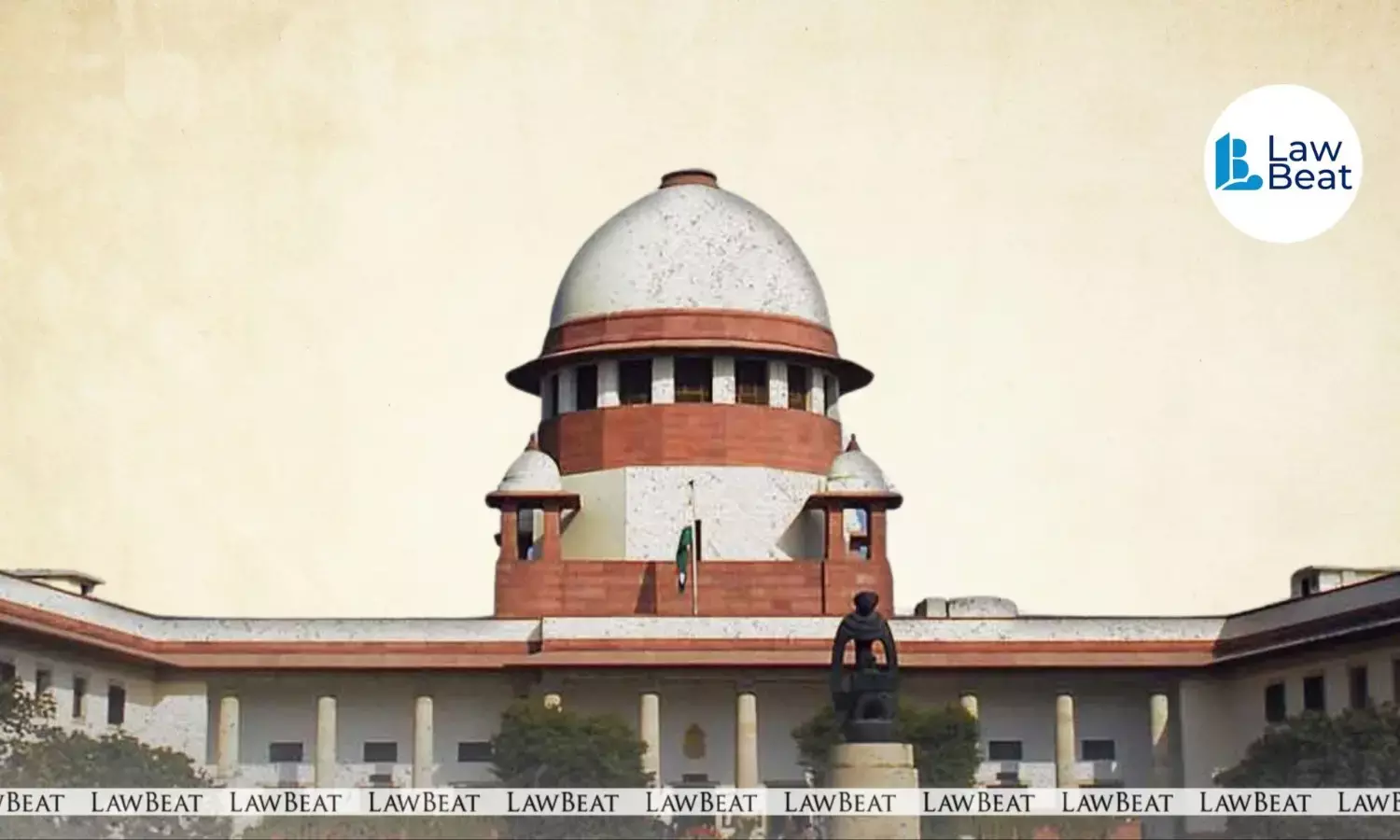
Supreme Court holds that refusing to answer questions posed by an Investigating Officer does not automatically amount to non cooperation during investigation.
The Supreme Court has held that refusing to answer questions asked by an Investigating Officer cannot automatically be treated as non cooperation in a criminal investigation.
A bench comprising Justices Aravind Kumar and Prasanna B Varale made the observation while granting anticipatory bail to an accused in a case arising from Punjab.
The Court allowed an appeal filed by Shally Mahant alias Sandeep challenging an order of the Punjab and Haryana High Court dated December 8, 2025, which had rejected his plea for anticipatory bail.
The appellant has been named as an accused in a First Information Report registered in 2025 for offences punishable under Sections 329(1), 329(4), 62, 351(3), 305 and 190 of the Bharatiya Nyaya Sanhita, 2023.
According to the allegations in the FIR, the appellant along with other co accused trespassed into the complainant’s house and committed theft of articles kept inside the premises. The complainant claimed possession of the house based on an agreement to sell dated August 6, 2025.
The appellant’s application for anticipatory bail was rejected by both the trial court and the High Court.
When the matter reached the Supreme Court, the Court issued notice on January 8, 2026 and granted interim protection to the appellant from any coercive steps, subject to the condition that he would cooperate with the investigation.
During the subsequent hearing, the counsel appearing for the State submitted that the appellant had appeared before the Investigating Officer but was not fully cooperating with the investigation.
The State argued that the appellant had not responded to certain questions asked by the Investigating Officer.
The Supreme Court rejected the argument that such conduct amounted to non cooperation.
The bench observed that merely refusing to answer questions put by the Investigating Officer does not by itself establish lack of cooperation.
The Court therefore declined to treat the appellant’s conduct as non cooperation in the investigation.
The Court also took note of the fact that the appellant had appeared before the Investigating Officer pursuant to the interim protection granted earlier.
In addition, the Court noted that there was an ongoing civil dispute between the parties concerning the immovable property involved in the case.
Another relevant factor considered by the Court was that the other co accused persons in the same case had already been granted bail.
Taking these circumstances into account, the bench held that the appellant was entitled to the relief of anticipatory bail.
The Court accordingly allowed the appeal and set aside the order of the Punjab and Haryana High Court rejecting the appellant’s bail application.
The Supreme Court directed that the appellant be released on anticipatory bail on such terms and conditions as may be imposed by the jurisdictional Investigating Officer.
The Court also directed that the appellant must appear before the trial court on all dates of hearing unless specifically exempted.
Case Title: Shally Mahant @ Sandeep Vs State of Punjab
Bench: Justices Aravind Kumar and Prasanna B Varale
Date of Judgment: February 9, 2026