
Himachal Ecological Crisis: Supreme Court Flags Delay; CEC To Probe Green Belt Construction, File Phased Reports
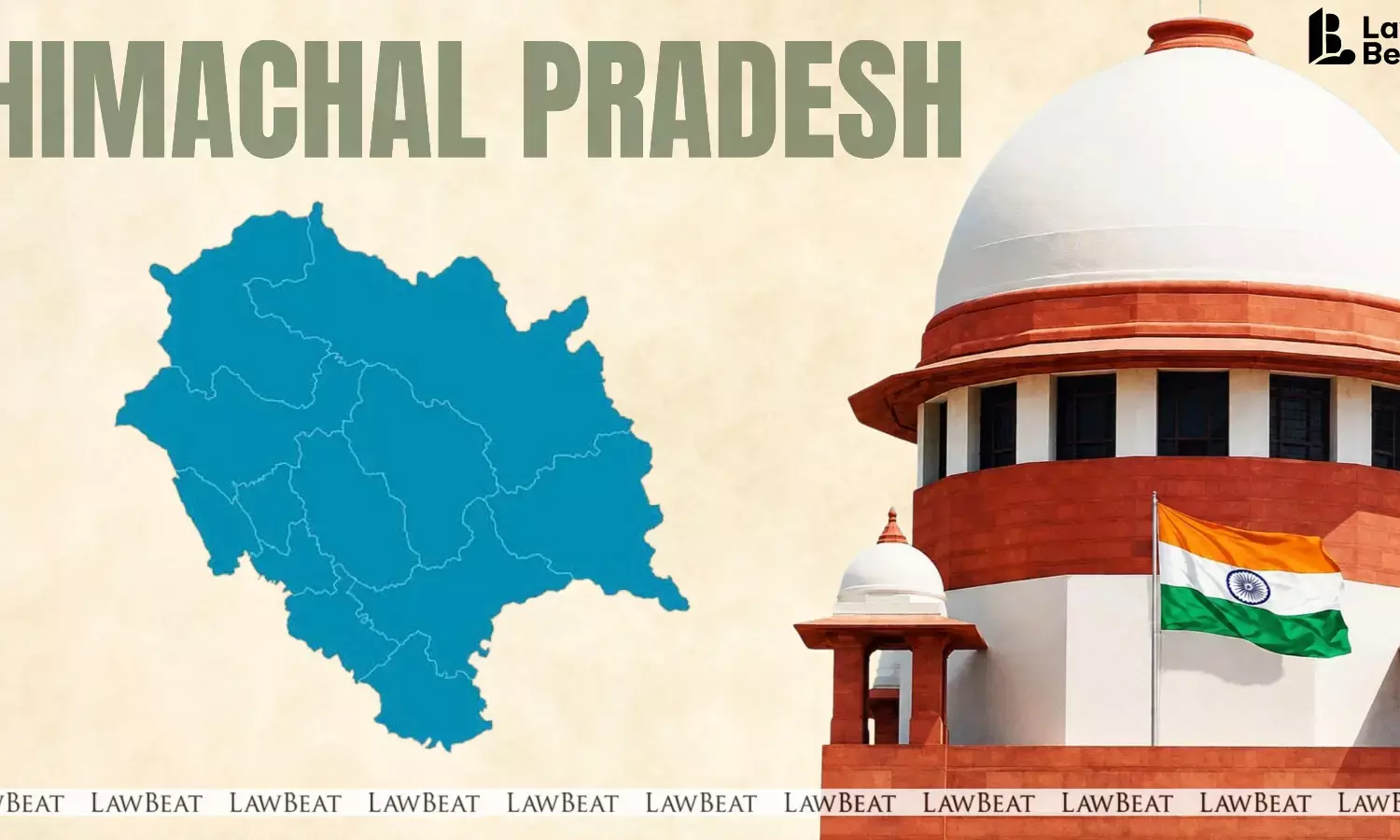
The Supreme Court on Friday expressed concern over the prolonged delay in hearing its suo motu proceedings on the ecological crisis in Himachal Pradesh, observing that the matter was supposed to be listed nearly a year ago but never came up.
The Bench of Justice Vikram Nath and Justice Sandeep Mehta noted, "This has come after a really long time. A year back it was supposed to be listed in October. It never came up."
Appearing as amicus curiae, Senior Advocate K. Parameshwar informed the Court that although the matter had been mentioned twice, it was not listed thereafter. He further submitted that fresh developments had taken place, including the filing of an intervention application and the availability of a detailed report requiring urgent consideration.
Parameshwar informed the Bench that Mr. C.P. Goyal, Member, Central Empowered Committee (CEC), was present in Court and that he had held detailed discussions with him regarding the report.
Mr. C.P. Goyal submitted that while the report was comprehensive, much of the material relied upon was based on four to five-year-old data, and the latest position on several crucial aspects, including the number of permissions granted, was unavailable.
When the Bench asked how the matter should proceed, Parameshwar proposed that the Central Empowered Committee (CEC) examine the issues through workshops and hearings in Himachal Pradesh.
He submitted that the case involved nearly 30 questions, making it impractical to address all of them simultaneously. Instead, the CEC proposed to examine two to three issues at a time and submit an interim report after each phase. The workshops, he said, would require approximately two to three weeks.
The Bench then asked whether the CEC intended to deal with all issues together or file staggered reports before the Court.
Parameshwar responded that the issues could be addressed in phases, with three issues being taken up in each round.
During the hearing, the amicus also referred to an intervention application alleging that several construction projects had been sanctioned within the green belt area of Shimla, despite prohibitory orders passed by the Supreme Court, the Himachal Pradesh High Court and the National Green Tribunal.
He requested that the intervention application also be referred to the CEC for examination.
The intervenor's counsel supported the request, submitting that the application relied upon an RTI response showing that permissions had allegedly been granted for multi-storey buildings in the green belt area.
After perusing the submissions, the Bench agreed that the intervention application should also be examined by the CEC.
Posting the matter for August 24, the Court directed that all additional material be placed on record. It further observed that it would interact with State officials, examine the CEC's status reports on three issues at a time, and take up the matter through virtual hearing on the next date.
Background of the Case
The directions came in a suo motu writ petition registered to examine the ecological crisis following the devastating monsoon floods and landslides this year that claimed lives and destroyed thousands of homes. The Bench on August 25, 2025, had taken cognisance of the unprecedented destruction caused by heavy rainfall in Himachal Pradesh.
The Court had noted that recurring landslides, collapsing houses, road subsidence, and other calamities are not merely natural occurrences but a result of unchecked human and developmental activities such as hydropower projects, four-lane road construction, rampant deforestation, and unregulated multi-storey buildings.
In its August 25, 2025 order, the Court had appointed Senior Advocate K. Parameshwar as amicus curiae, assisted by Advocate Akashi Lodha, to analyse the State’s interim report. Following a detailed study, the amicus submitted an exhaustive questionnaire highlighting areas that require urgent clarification and accountability from the State.
The Court had underscored that despite Himachal Pradesh’s designation as a major hydroelectric power hub, the cumulative impact of unscientific construction, blasting for tunnels, and diversion of rivers has made the terrain highly vulnerable to disasters and climate change.
Case Title: In Re: Issues Relating to Ecology and Environmental Conditions Prevailing in the State of Himachal Pradesh
Bench: Justice Vikram Nath and Justice Sandeep Mehta
Hearing Date: July 30, 2026